01 — Regimental History

From the Moselle to the Western Front

(3. Rheinisches) Nr. 29

Raised in 1813 from the 2nd Bergisches Infantry Regiment, the unit took its final name in 1889 in honor of Generalleutnant Heinrich Wilhelm von Horn. Garrisoned at the Hornkaserne in Trier on the eve of the war, IR 29 recruited heavily from the Moselle valley — a historically Catholic corner of the Prussian Rhineland. It mobilized on 2 August 1914 as part of the 31st Infantry Brigade, 16th Division, VIII Army Corps.

I.R. 29Kriegs-
geschichte
1914–1918
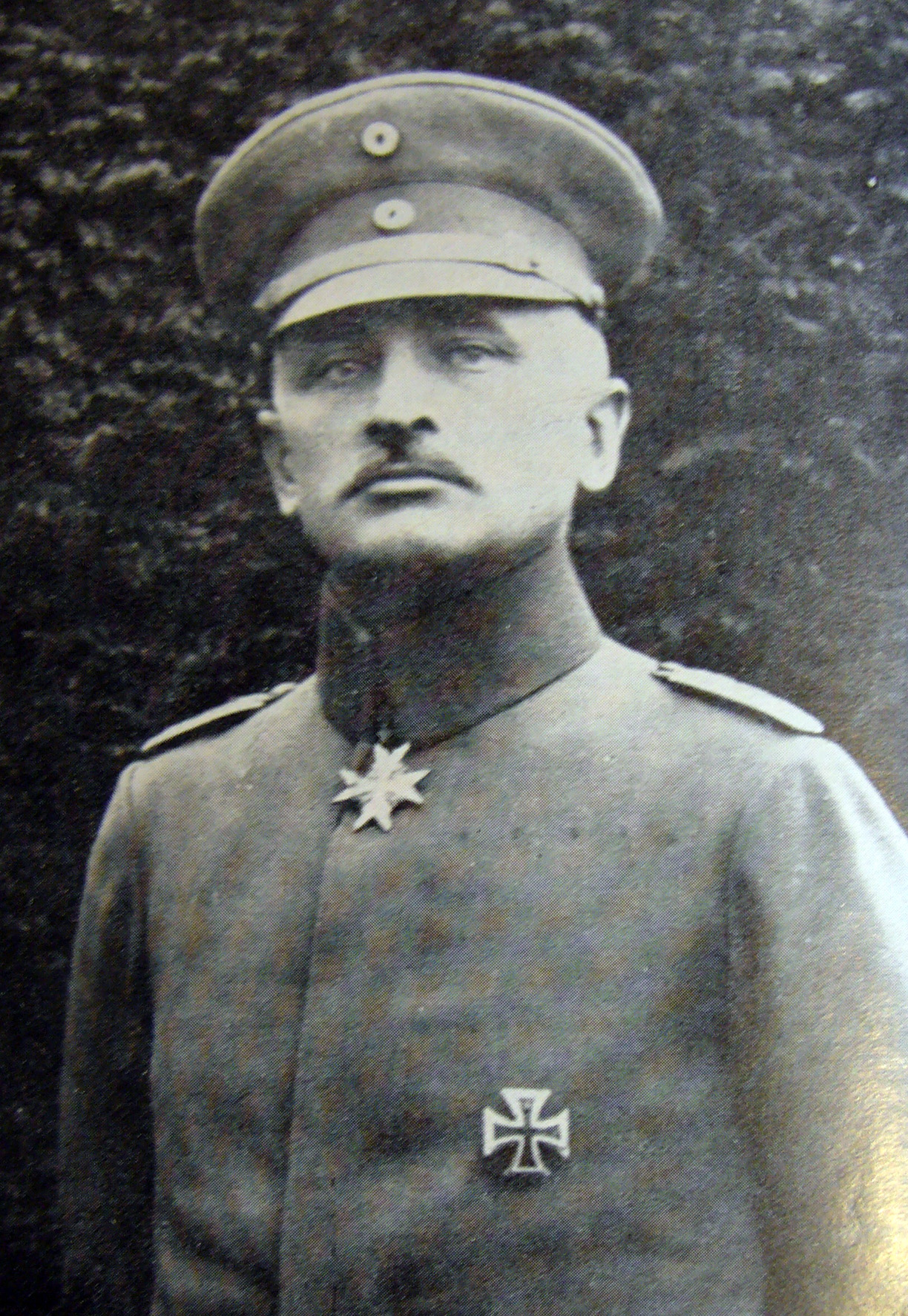
Oberstleutnant Franz Heinrigs, IR 29's last commander
Oberstleutnant Franz Heinrigs
IR 29's last commander
Pour le Mérite, 8 Nov. 1917
1814

Founding & early campaigns

Formed 5 December 1813 from the 2nd Bergisches Infantry Regiment; took part in the 1815 campaign against France, the 1849 Baden campaign, and the wars of 1866 and 1870/71 before the regiment's WWI mobilization.

1914

Luxembourg · Belgium · Neufchâteau · the Marne · Vitry-le-François · Champagne · the Yser

Mobilization and the advance through Luxembourg and Belgium, followed by the war's opening mobile campaign in the west.

1915

Winter & Autumn Champagne · Loretto / La Bassée · Arras · the Aisne

The shift to positional, trench-bound warfare along the Western Front.

1916

The Somme · the Aisne · Kowel & the upper Styr/Stochod (brief Eastern Front detachment)

Committed to the Somme fighting before a temporary transfer east.

1917

The Aisne · Third Battle of Flanders (Passchendaele)

Oberstleutnant Heinrigs, the regiment's last commander, received the Pour le Mérite on 8 November 1917.

1918

Fourth Battle of Flanders · Artois · Ypres · La Bassée · Monchy · Bapaume · Armentières · Lens · Antwerp–Meuse position

The regiment's final campaigns, through demobilization at Leer in December 1918 and dissolution on 1 May 1919. 3,540 of its soldiers were killed during the war.

Research note: Primary regimental histories — Das Infanterie-Regiment von Horn (3. Rheinisches) Nr. 29, Heft 1 & 2 (1929), part of the Erinnerungsblätter deutscher Regimenter series — are digitized and freely viewable via the Württembergische Landesbibliothek Stuttgart and cross-listed on LEO-BW. These remain the best source for company-level detail on the 1916–18 fighting. On Stoßtruppen specifically: individual regiments like IR 29 typically formed ad-hoc assault detachments from their own regular troops as needed for a given operation, rather than maintaining a standing, organic Stoßtrupp company — dedicated, permanently organized Sturmbataillone existed at the divisional level or higher (e.g., potentially attached to the 16. Division), not the regiment itself. Absent confirmed company-level detail, the unit currently portrays 7. Kompanie, II. Bataillon — a plausible, non-overreaching assignment (mid-numbered, not claiming a specific documented action) that can be revised if more specific primary-source evidence comes to light.
Kameradschaftest. this year